Charleston has a way of rewarding attention to detail. A well-kept porch catches a breeze better, a boat rides smoother with a tuned prop, and a car with clear, tight glass simply feels right on the bridge. Auto glass around here takes a beating from salt air, bridge grit, beach sand, and the occasional summertime storm that rolls in like a curtain. If you drive regularly between West Ashley, Johns Island, and Mount Pleasant, you’ve likely collected at least a chip or two. The good news is, mobile auto glass service in Charleston brings the shop to you, and with the right tech and the right judgment, most problems get handled in a single visit.
This guide pulls from years of on-the-road experience and a lot of windshields. It covers what actually fails on Lowcountry roads, what can be repaired versus what needs replacement, why ADAS calibration is no longer optional, and how to navigate insurance without headaches. Along the way, you’ll find local context — how marsh humidity and sea spray change the job, what to do after a sudden rear window shatter, and when to worry about a slow glass leak you only notice after a long rain.
What Charleston traffic and climate do to glass
Drivers here face two main culprits. First, sand and road grit get carried by wind across the bridges and barrier islands. Sand is hard and sharp, so even a tiny pebble can pit a windshield at 50 mph. Second, salt and humidity work together. Salt crystals aren’t big enough to chip glass, but they cling to it, and when combined with wiper movement they create micro-abrasions over time. Add summer heat, a thunderstorm cool-down, and you have thermal stress. A small chip that might sit harmlessly in Arizona can become a running crack here after a couple of hot-cold cycles and a wash down from afternoon rain.
If you park beneath live oaks, falling acorns in the fall can spider a windshield or star-crack a side window. I’ve seen rear windows shatter from inside pressure changes after a trunk slam in July, where the glass was already compromised by a fine scratch from beach gear. Most Charleston drivers don’t notice the first sign, which is a slight drag on the wipers at low speed, an early hint of pitting. It shows up most on the Ravenel when you’re driving into the sunrise and the glare turns into a shimmering veil.
When a chip is a quick fix and when it’s not
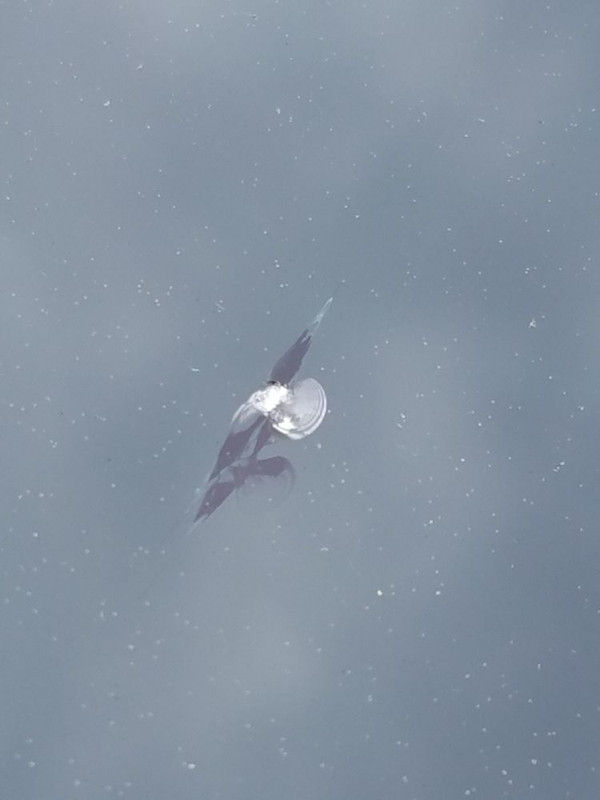
Chip repair in Charleston SC is common and fast, but not every break qualifies. A bullseye under the size of a quarter, a star break with legs under an inch, or a straightforward combination chip away from the driver’s direct line of sight can often be sealed and stabilized. In light coastal conditions, a good tech using a vacuum-press resin can finish a chip repair in 20 to 30 minutes. The resin fills micro-fractures, restores some optical clarity, and, most importantly, stops the damage from growing.
There are disqualifiers. If the damage sits on the edge of the windshield where the curvature is tight, it tends to grow. Cracks longer than three to four inches rarely hold a repair, especially after a few humid nights. If the chip has collected dirt from days of driving, the repair will be visible and may not bond well. The big one is the driver’s line of sight. If the chip sits right in your forward field, even a successful repair can distort light. Responsible shops won’t do those. You’re better off arranging a windshield replacement Charleston SC appointment and restoring full clarity.
A simple tip I share with customers on Folly and Sullivan’s Island: keep a roll of clear packing tape in the glove box. If you get a fresh chip on the causeway or Ocean Boulevard, cover it before salt spray or rain push debris into the cavity. That quick move often turns a borderline case into a clean repair.
How mobile service works on Charleston roads
Mobile auto glass in Charleston SC lives or dies by logistics. A good team confirms weather windows, plans bridge timing, and gets detailed about parking. The tech arrives with glass matched to your VIN or options package, usually with new moldings, clips, and the correct urethane for coastal humidity. In most cases, a windshield replacement takes 60 to 90 minutes on-site, then a safe-drive-away time of 30 to 60 minutes, depending on the urethane and weather. I’ve set windshields in downtown garages, on office lots in North Charleston, and in shaded driveways on James Island. Shade matters. Direct summer sun can flash-cure urethane unevenly and can warp soft moldings.
Mobile setups bring their own power and vacuum, but they need a clean-ish perimeter. If your driveway sees oak pollen strings in April, a quick sweep helps keep contaminants out of the bead. If you’re at a condo near the Battery with tight parking, tell your service where to stage. When space is tight, we sometimes prep glass on foam blocks inside the van to reduce exposure.
For working parents or anyone juggling a busy day, mobile service turns a disruption into a manageable errand. I’ve met folks at soccer fields and swapped a rear window while practice ran. With Charleston’s scattered work commutes, that convenience is not fluff, it’s how you keep rolling.
Replacement versus repair: three real-world examples
A commuter from Goose Creek picked up a quarter-sized bullseye on I-26, almost center high on the windshield. The car had rain-sensing wipers but no camera. We sealed it easily the same afternoon and it never spread.
A contractor on Daniel Island had a three-inch crack that started as a chip near the passenger side edge. Two days of afternoon storms and a hot morning commute later, it ran to eight inches. Replacement beat repair. When cracks reach the edge, the glass loses structural integrity. That windshield also supported an ADAS camera, which meant calibration after.
A beach rental manager on Isle of Palms called about a rear glass that shattered overnight. We found a small impact near the heater grid, likely from loading paddleboards. Heat soak during a sticky afternoon did the rest. Rear windows are tempered, not laminated like windshields, so they fragment. That repair always means replacement, vacuuming glass from the hatch channels, and checking tailgate drains so the first rain doesn’t flood the cargo well.
Windshield replacement, done right for the coast
Windshield replacement Charleston SC hinges on three things: correct glass, clean prep, and the right urethane. Correct glass means exact fits for trim, shading, and any attachments. Many Charleston models now carry forward‑facing cameras, rain sensors, or lane-departure pods. If you drive a late-model SUV over the Ravenel most mornings, odds are your car uses some version of advanced driver assist. That brings calibration into the conversation.
Clean prep means removing old urethane to a thin, uniform layer, treating scratches on the pinch weld so they don’t rust, and dry-fitting trims. Coastal moisture doubles down on bad prep. If you gouge the metal and don’t prime it, you invite corrosion. I’ve had to redo jobs from out-of-town shops that rushed a bead on a rainy day and trapped moisture underneath. In six months, the bead lifted and the customer had wind noise and a tiny leak at the top corner.
Urethane choice matters. High-modulus, fast-cure urethanes perform well in Charleston’s humidity but still need cure time. Push a car out too soon, hit a pothole on Coleman Boulevard, and you can flex the glass before the bead sets. Budget an hour of no slamming doors and no highway speeds. If it’s a sauna-hot day, we arrange shade or set the glass earlier in the morning.
ADAS calibration Charleston SC: why your camera cares about glass
A forward camera sees through the windshield. Change the glass, even slightly alter the optical path or mounting position, and the camera’s view shifts. ADAS calibration, either static or dynamic, resets the system. Static calibration uses targets set at precise distances and heights. Dynamic calibration uses a road drive at specified speeds and markings. Many vehicles require both.
Charleston roads are well suited to dynamic calibration because you can run a clean loop with consistent lane lines on I-526 or US-17, but rain, glare, and construction can fool the process. That’s why good mobile teams carry level mats, laser measures, and target boards in the van for static procedures in a controlled spot. Skip this step and the system might misread a car ahead or nudge you the wrong way during lane keep. I’ve had customers say, after proper calibration, best auto glass North Charleston the steering nudge felt smoother than when the car was new, likely because the factory baseline drifted after years of small bumps and alignments.
Not every car needs calibration after every job. Some older models have passive rain sensors only. But if you see a camera housing near the rearview mirror, plan on ADAS calibration Charleston SC as part of the service. Your insurance often covers it when tied to a covered glass claim.
Rear window replacement and side glass realities
Rear window replacement Charleston SC has a rhythm. We protect the interior, vacuum the fragments, and chase glass down into the quarter panels and hatch seal tracks. Those pieces hide in felt channels and reappear with every door slam if you miss them. We check the defroster connectors, since those tabs often get bent during the break. If your hatch uses a wiper, its grommet can leak after a replacement unless we reseat and seal it. On wagons and SUVs, I also look at the tailgate drains. Few owners know these exist. If they clog with glass dust and pine needles, the first thunderstorm turns the hatch into a foot bath.
Side window repair Charleston SC usually means replacement, not repair, because door glass is tempered. You’ll hear it in the language. We “repair” the damage by installing new glass and restoring function. Door panels come off, vapor barriers get resealed, and regulators get checked. Charleston’s heat can soften the butyl that holds the vapor barrier, so we use fresh adhesive and make sure the plastic is tight. A loose barrier and a heavy rain equals a wet floorboard and foggy cabin.
Glass leak repair Charleston SC and the mystery drip
Water finds the sneakiest path. If you notice a slow drip after rain, don’t assume the windshield is to blame. Sunroof drains are common culprits. Leaves in the Lowcountry are tiny and slip past the mesh, clogging the front drain tubes. Water then tracks down the A‑pillar and shows up at your floor mat. Windshield leaks usually announce themselves with a faint whistle at highway speed or a drip from the top corners after a wash.
Good diagnostics use a smoke probe or a low-pressure water test. We mask suspects one by one: roof moldings, windshield top edge, cowl cover, and mirror mounts. I’ve chased “windshield leaks” that turned out to be cracked roof seams under a rack foot. If the windshield is the issue, it’s often a bond failure from aged urethane or a previous install. Fixing it means removing and resetting the glass. In coastal conditions, we also look for rust on the pinch weld. If rust is present, we treat and prime it, otherwise you’re repeating the job in a year.
Dealing with insurance without losing your Saturday
Insurance auto glass Charleston SC claims tend to be straightforward. Most comprehensive policies waive the deductible for windshield repair, and many handle replacement with a reasonable out-of-pocket if you have a deductible. You can choose your shop. Carriers sometimes suggest preferred networks, but South Carolina law lets you pick the service you trust. A good mobile provider will verify coverage, explain whether a chip repair qualifies for a waiver, and coordinate billing so you aren’t paying and waiting for reimbursement.
If your car needs ADAS calibration, make sure the estimate lists it explicitly. Some carriers require a line item and a proof of completion. If you drive a model with a heated windshield, acoustic interlayer, or heads-up display projection area, note those options when you call. It speeds approval and avoids the wrong glass showing up at your curb.
I’ve seen claims finish same-day when the customer had policy details handy and texted a photo of their VIN. If you don’t have that, check the insurance app. Most list comprehensive coverage and deductibles clearly, and a quick screenshot helps the shop confirm your benefits while they route a van to you.
Cost, time, and what’s worth paying for
For chip repair Charleston SC, expect a price range that’s less than a tank of gas, often covered in full by insurance. For auto glass replacement Charleston SC, costs vary widely. A basic sedan windshield without sensors can be a few hundred dollars installed. Add a camera, heating elements, and acoustic glass, and the price climbs. SUVs with complex heads-up display windshields can run into the high hundreds or more. Rear and side glass tend to cost less per piece than a modern windshield, but still require careful install work and cleanup time.
Two add-ons are worth the investment here: OE‑equivalent glass and fresh moldings. The first choice keeps optical quality consistent for ADAS and night driving, especially with oncoming glare on the Crosstown. The second keeps wind noise down. Reusing brittle moldings is a shortcut that saves a little money on day one and costs comfort later. Mobile service often bundles these properly, which is one reason mobile can outperform a rushed shop visit.
Safety, visibility, and the integrity factor
A windshield is structural. It braces the roof in a rollover and acts as a backstop for airbags. Cheap urethane or sloppy prep compromises that. You won’t notice immediately, but in a crash, it matters. Visibility is the everyday side of safety. I’ve driven test loops at dusk on Harbor View Road after two identical chip repairs with different resins. One resin left a faint blur, the other was nearly invisible. On a clear morning that’s not a big deal. At night in a storm, it is.
I’m picky about wiper-to-glass pairing. If your windshield is newly installed, swap wipers. Old blades carry grit. They’ll introduce fine scratches within a week, exactly when the bead is still curing and the surface is most vulnerable. In Charleston’s climate, plan on wiper replacements every six months, sooner if you park outdoors and see salt haze on the glass.
Timing your service with Lowcountry weather
Weather planning is a small art here. Summer thunderstorms often build after 2 p.m. Mornings are best for replacements that need cure time. If you live on Kiawah or Seabrook, local winds can pick up even when downtown is calm. A mobile tech may suggest a garage or a sheltered driveway. Take the advice. I’ve done jobs where a sudden gust threw oak tassels onto a fresh bead, and we had to start over.
Winter cold snaps are short-lived, but they change cure times. Urethane likes a certain range. On a 40-degree morning with high humidity, your safe-drive-away may stretch to the longer estimate. A good team will explain this upfront instead of rushing. If a cold front and rain make a same-day replacement risky, chip repair buys time safely, provided the damage is repairable.
How to help your glass last longer on coastal roads
Here’s a simple, no-nonsense checklist you can keep in mind:
- Wash salt haze with fresh water before using wipers, especially after beach days. Replace wiper blades every six months and clean the rubber with a damp towel monthly. Keep clear tape in your glove box to cover fresh chips until they’re repaired. Avoid slamming doors for 24 hours after a new windshield install to protect the bead. Park in shade when possible to reduce thermal shock and interior pressure spikes.
These are small habits, but they pay off. Salt and heat are patient. They’ll win eventually if you ignore them.
What to expect from a skilled mobile team
The best mobile auto glass Charleston SC crews run on three principles: communication, preparation, and cleanup. Communication means telling you exactly what they’re going to do, how long it will take, and what the weather implies. Preparation shows up in the glass and materials they bring. If you mention a camera, they bring the targets. If you say the car sits outside, they carry covers and rain plans. Cleanup is the mark of pros. No stray clips left in the driveway, no glass pellets hiding under the rear seats, and no urethane smudges on your trim.
I still remember a job off King Street where a bakery opened early and the owner needed her van by 7 a.m. We staged at dawn, swapped the windshield, calibrated in the parking lane, and left before the first delivery. She texted that the van felt quieter than it had in years. That’s the goal. Not just restored function, but a step up in comfort.
Seeing clearly from Isle of Palms to Johns Island
Auto glass isn’t glamorous, but it’s deeply tied to how a car feels and keeps you safe. Charleston’s mix of salt, heat, and bridge grit accelerates the wear, and that calls for timely repair, careful replacement, and attention to the details that matter here. Whether you need a simple windshield repair Charleston SC appointment after a chip on the bridge, a full auto glass replacement Charleston SC with calibration for a camera-equipped SUV, or help with a mystery drip that points to glass leak repair Charleston SC, the right mobile service can meet you where you are and keep the day on track.
Your car doesn’t care whether you’re crossing the Ashley at sunrise or circling for a spot near Waterfront Park. Clear, tight glass turns glare into vision, noise into hush, and a chore into confidence. Eyes on the road, wipers quiet, and the marsh rolling by like a fresh coat of paint — that’s how it should be.